WHY OUR IDEA OF SANCTUARY CHANGED
OUR ORIGINAL VISION WAS A PLACE.
For years, RCC hoped to create a centralized sanctuary on St. Croix. We acquired land and began planning what that sanctuary might become. But research—and years of hands-on experience managing colonies across the island—led us to ask a more important question: would bringing more and more cats to one location actually make them safer?
01
CATS ALREADY HAVE HOMES.
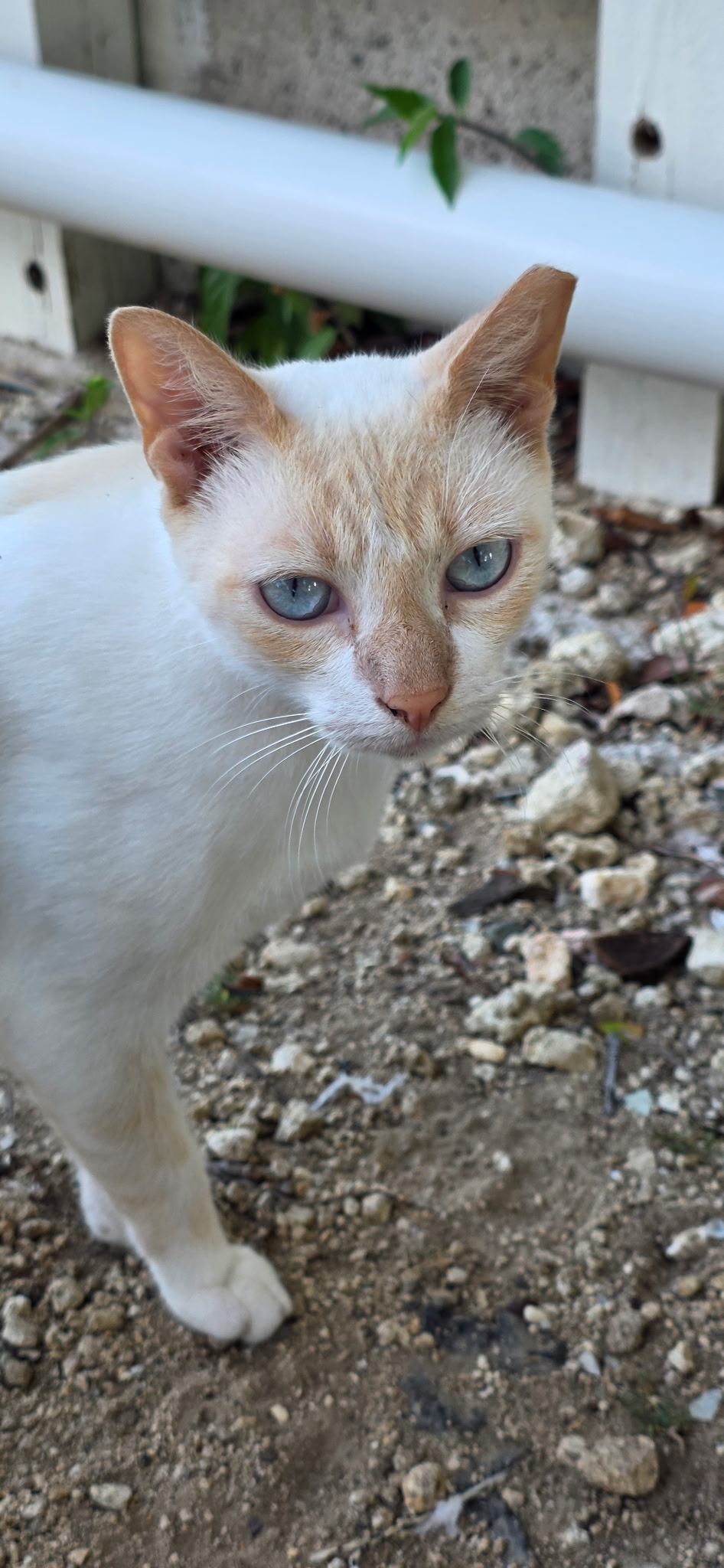
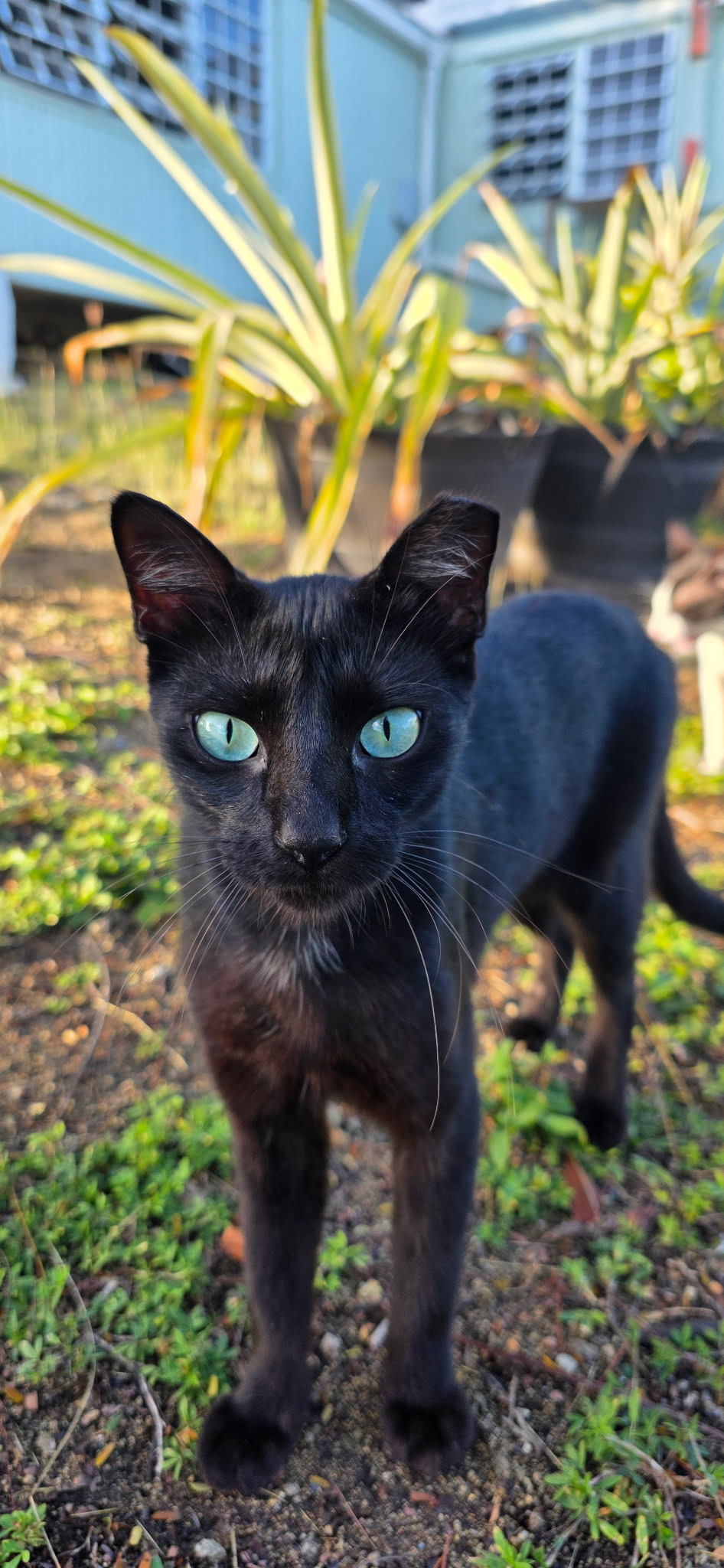
Community cats know their territory: where they sleep, eat, hide and which cats and people they trust. When that location is safe and a committed caregiver is present, moving them simply because another place is called a sanctuary may not improve their lives.
02
INTAKE MUST BE CONTROLLED.
A publicly known sanctuary could become an abandonment point. Cats left outside—or put over a fence without our knowledge—would create uncontrolled intake, crowd finite space and introduce animals of unknown vaccination, testing and health status into a carefully managed population.
03
THE LAND WASN'T SAFE ENOUGH.
The property RCC acquired for the original sanctuary was approximately half protected mangrove wetland, and the entire property was within a floodplain. On an island exposed to hurricanes and extreme rainfall, we ultimately did not believe it offered the long-term safety a permanent refuge should provide.
A sanctuary that isn't safe isn't a sanctuary.
04
ONE SITE CONCENTRATES RISK.
A centralized sanctuary puts cats, infrastructure, food, staffing and emergency risk in one place. A distributed network lets us support many smaller safe locations and adapt when a property, caregiver or circumstance changes.