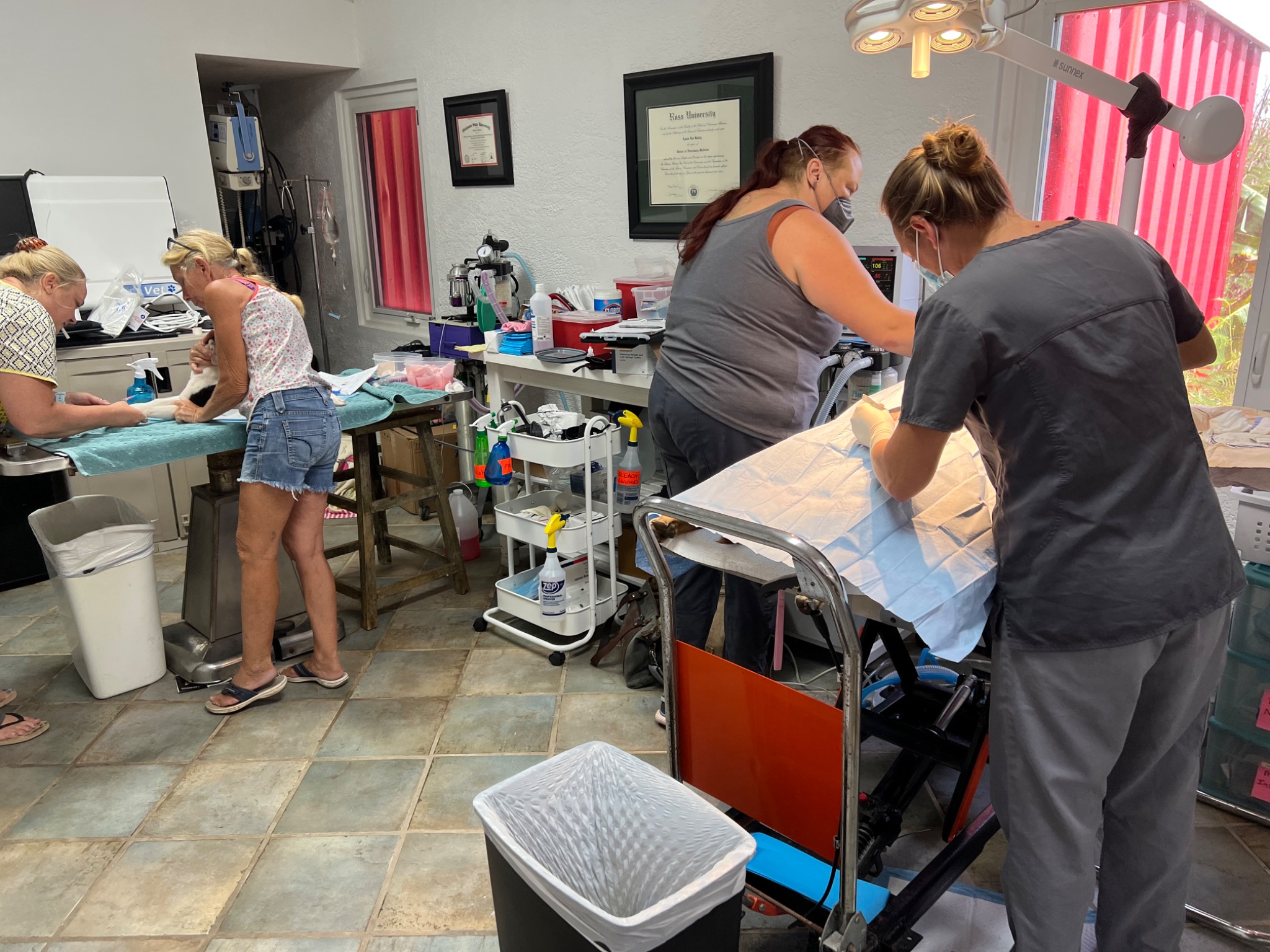
A HUMANE, ISLAND-WIDE SOLUTION
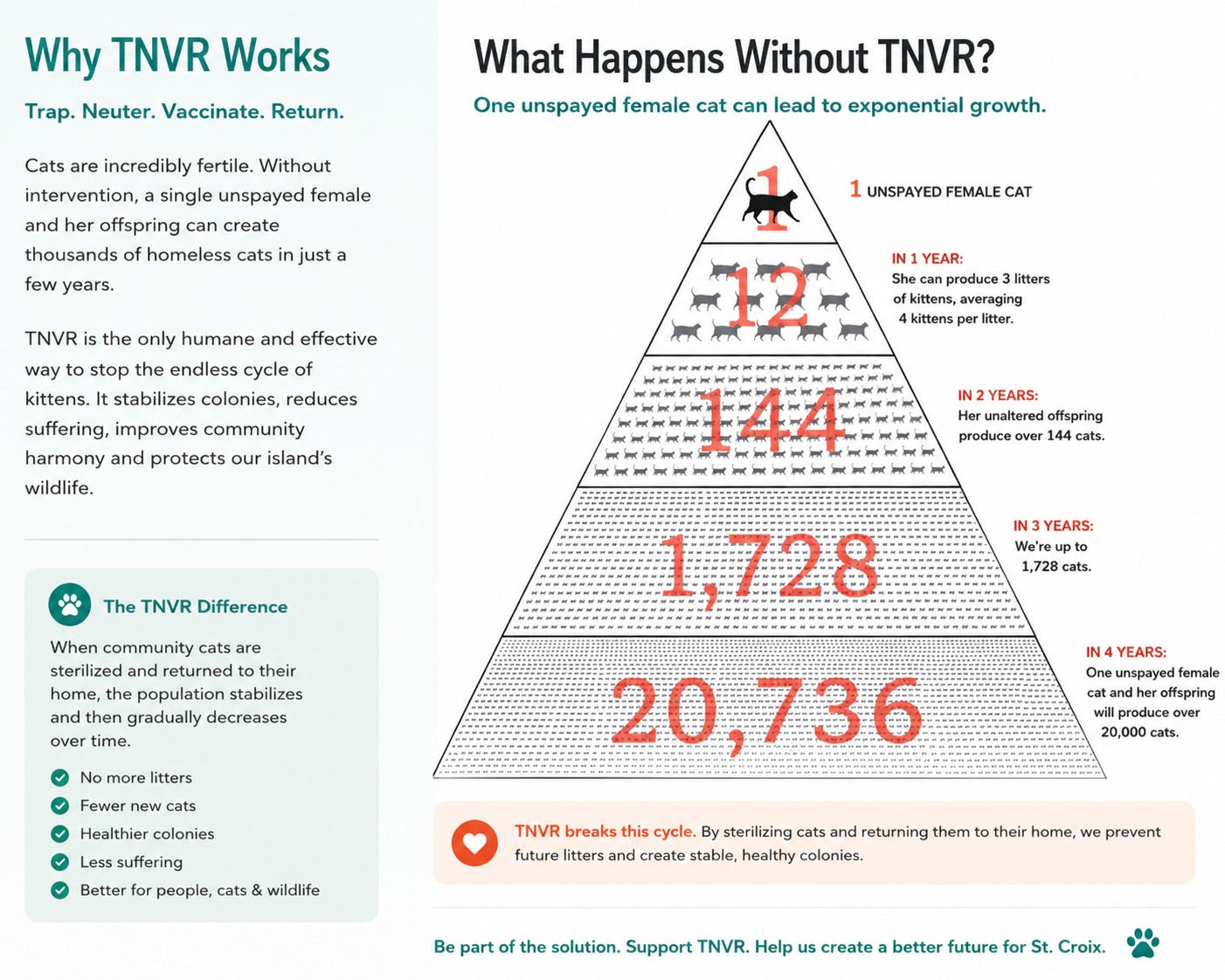
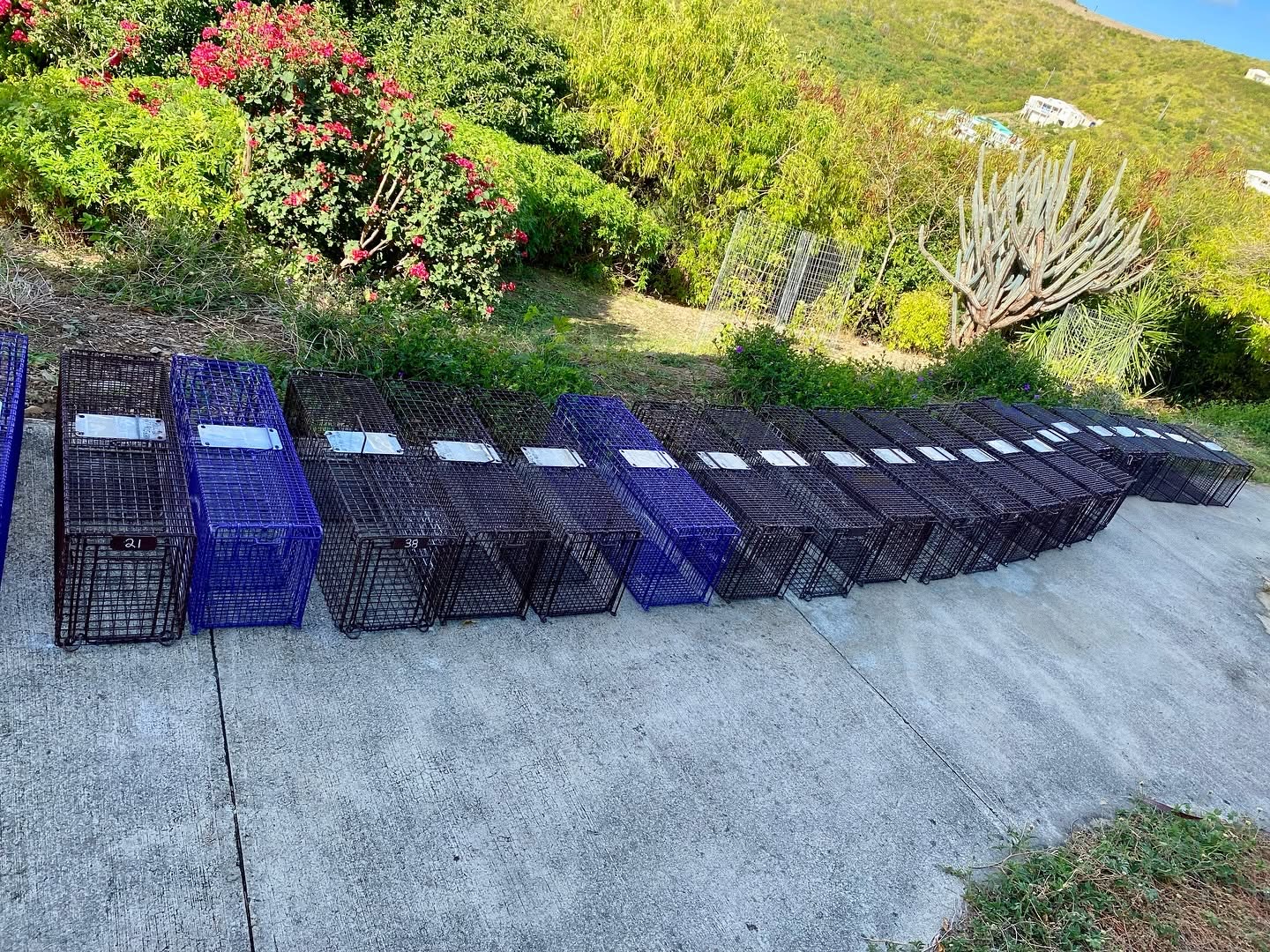
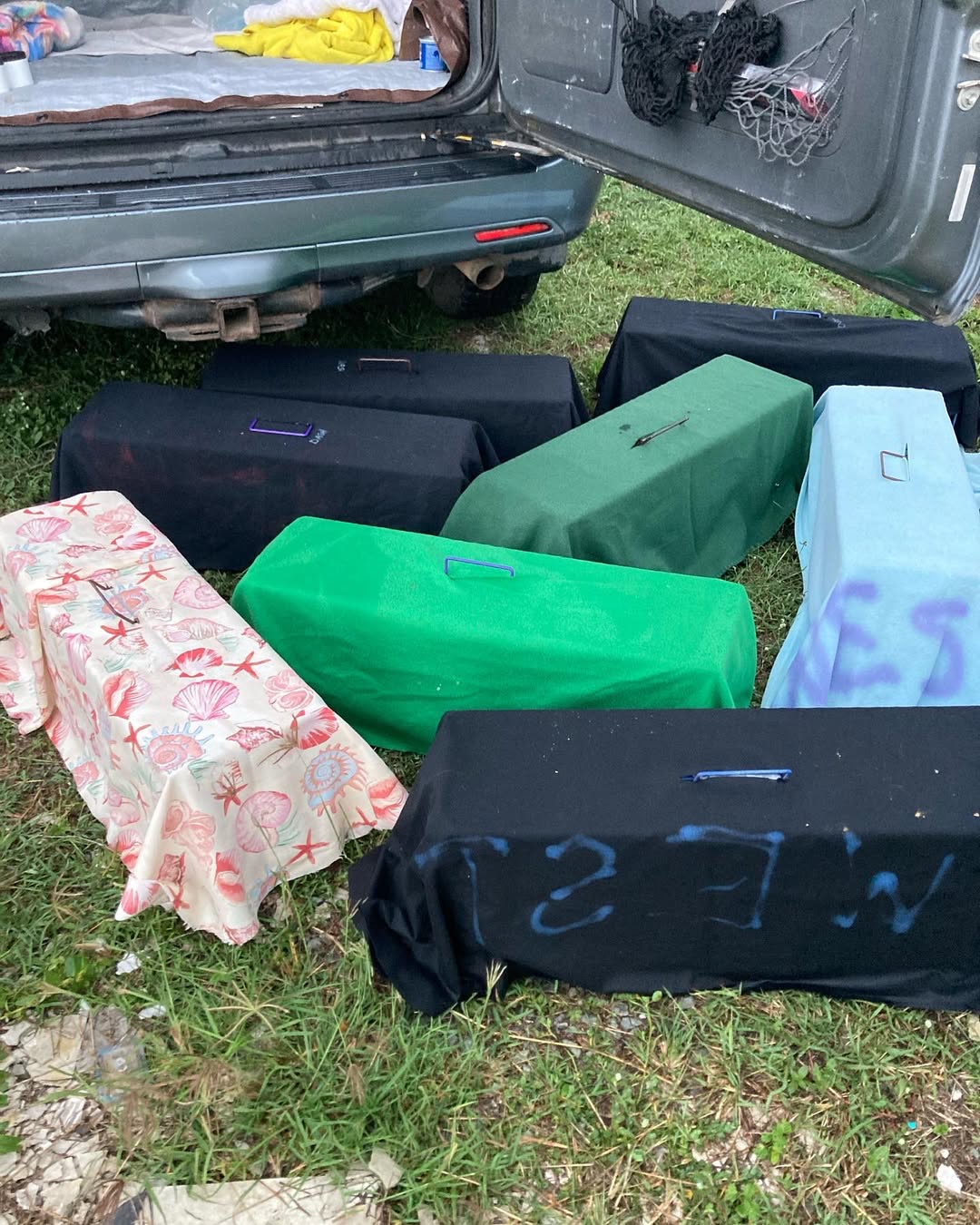
Trap-Neuter-Vaccinate-Return (TNVR) is the core of RCC's strategy to reduce St. Croix's free-roaming cat population humanely. Community cats are trapped, sterilized, vaccinated, ear-tipped for identification, and returned to the territory they already know.
When TNVR is done consistently and paired with responsible colony management, fewer kittens are born, colonies become smaller and more stable, and the cats already living in our communities are healthier.
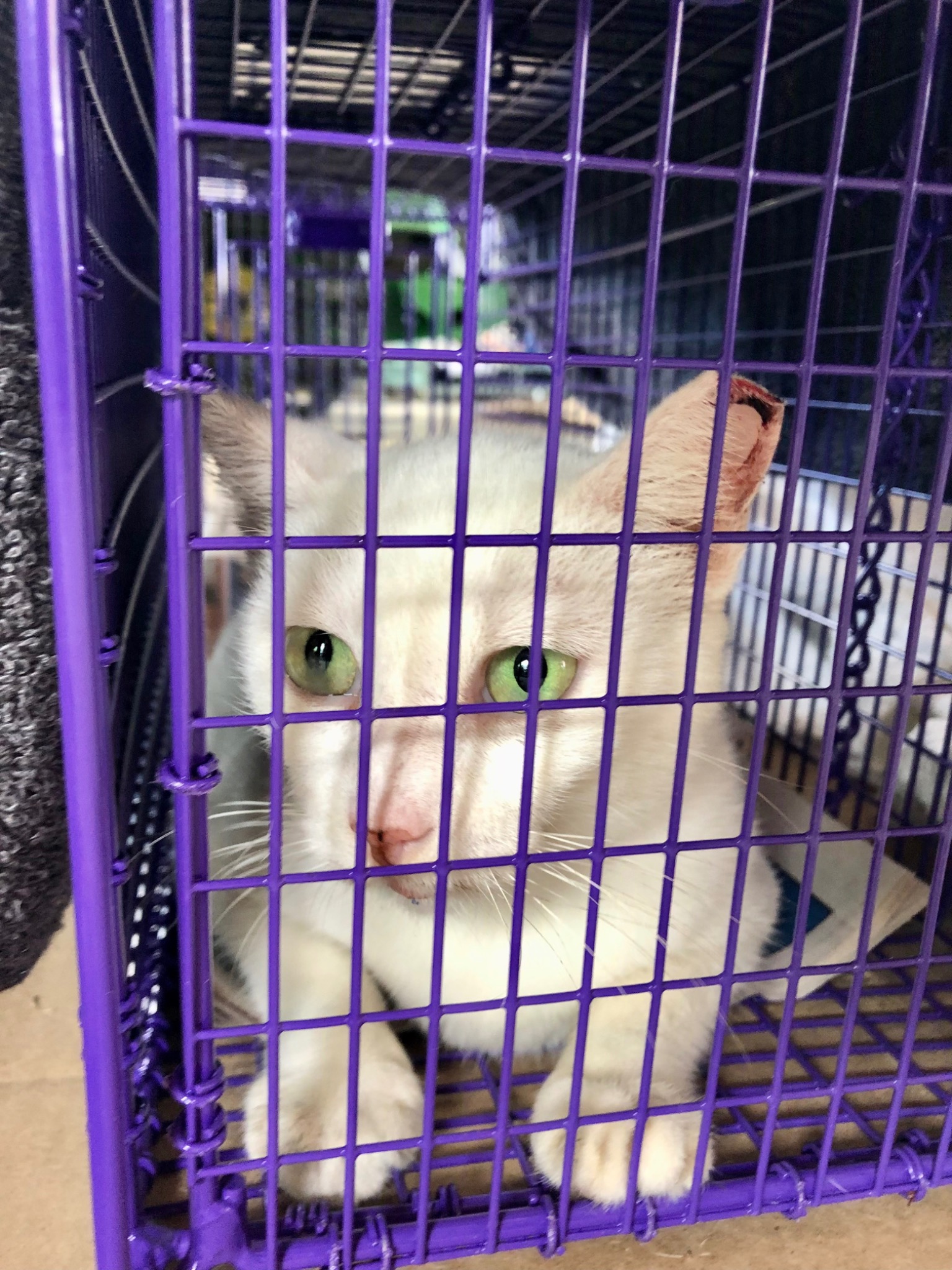
NEED TNVR HELP?
RCC provides TNVR assistance for St. Croix community members who need help accessing or affording sterilization for free-roaming cats. Commercial properties and businesses are served through our separate fee-based Business Services program.
HOW TNVR WORKS
WHY RETURN CATS?
Removing cats from an established territory does not address the conditions that attracted them there. Food, shelter and other resources remain, and new unsterilized cats can move into the open territory and begin reproducing.
TNVR interrupts that cycle. Sterilized cats retain their territory without producing new litters, while caregivers can identify and address newcomers before another breeding cycle begins.
AFTER TNVR
Successful TNVR does not end at surgery. Stable colonies need responsible feeding, observation and follow-up. New cats should be identified quickly and sterilized before they reproduce, and sick or injured cats may need veterinary care or rescue.
That is why TNVR connects directly to RCC's Food for Ferals and Distributed Sanctuary work.
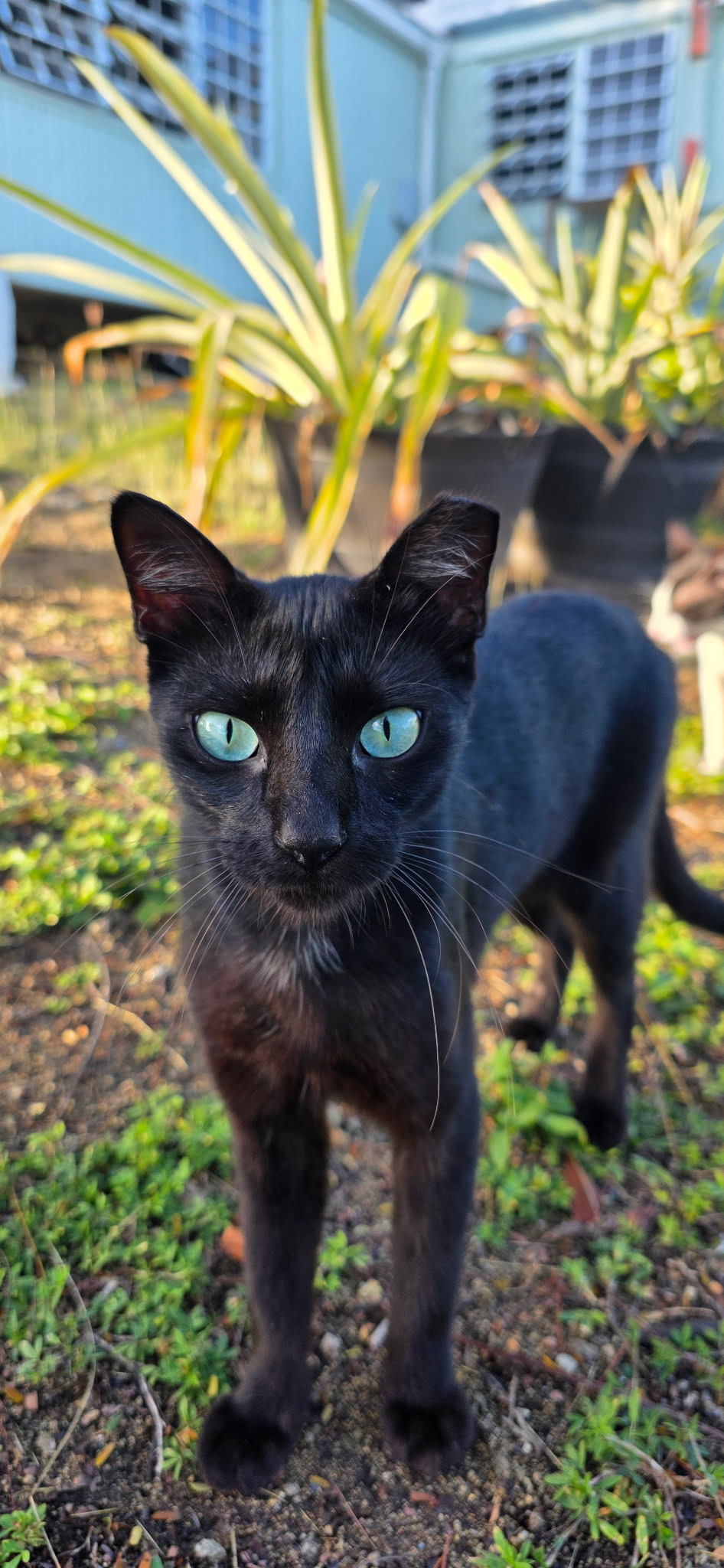
LOOK FOR THE EAR TIP
A cleanly tipped ear is the universal visual marker of a community cat who has already been sterilized. It allows trappers, caregivers and veterinary teams to recognize a TNVRed cat from a distance and avoid unnecessary retrapping and surgery.
When you see an ear-tipped cat in a managed colony, you are seeing TNVR at work.
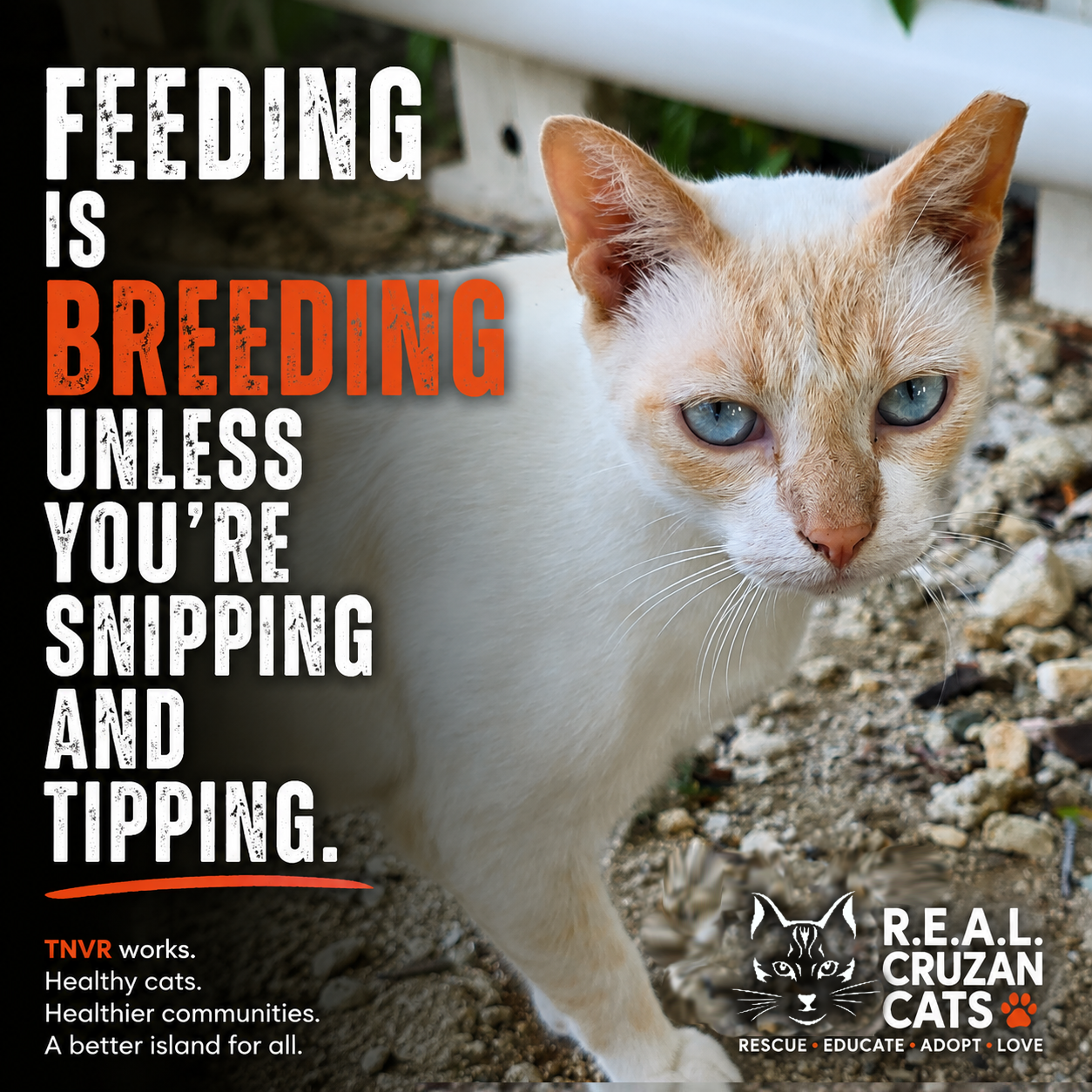
RESPONSIBLE COLONY CARE
FEEDING AND TNVR GO TOGETHER
Feeding community cats helps keep them healthy and makes colonies easier to monitor—but feeding alone does not control population growth. Every regularly fed colony should also have an ongoing plan to sterilize newcomers before they reproduce.
That is what we mean by “Feeding is breeding unless you’re snipping and tipping.” Consistent food, TNVR and attentive caregivers work together to create healthy, stable colonies that shrink over time.
LEARN ABOUT FOOD FOR FERALSExplore our TNVR work
Where We’ve Trapped: St. Croix Through the Years
R.E.A.L. Cruzan Cats has worked with residents across St. Croix to trap, neuter, vaccinate, and return community cats. Explore our historical trapping records using the interactive map below. Move the year slider to see recorded activity over time, press Play to watch it change, or switch to cumulative view to see our work across multiple years.
About the map: Darker colors show more cats recorded through RCC trapping activity—not necessarily more cats living in an area. Locations are approximate to protect privacy, and some records cannot be mapped. Geographic information for 2022 and 2023 is particularly incomplete; an area with little or no color should not be assumed to have few cats or no need for help. The 2026 data are year-to-date.
Is your neighborhood missing from the map?
We know there are communities we haven’t reached yet. If you’re caring for free-roaming cats, know of a colony that needs TNVR, or would like to help with trapping, transport, or clinics, please contact R.E.A.L. Cruzan Cats. Your local knowledge can help us identify areas that need assistance and plan future clinics. Please share exact addresses and contact information privately, not in public comments.
VETERINARY CAPACITY MATTERS
TNVR works best when surgery can be provided consistently and at high volume. From late April 2022 through late October 2023, RCC helped organize and support high-volume spay/neuter clinics operating only two to three days per month. In that limited clinic time, 1,075 St. Croix community cats were sterilized, vaccinated and returned.
After that high-volume surgical capacity was no longer available, access to surgery became the limiting factor. RCC continued trapping and funding TNVR wherever appointments were available, but the number of cats we could reach was constrained by island veterinary capacity.
HIGH-VOLUME TNVR IS UNDERWAY.
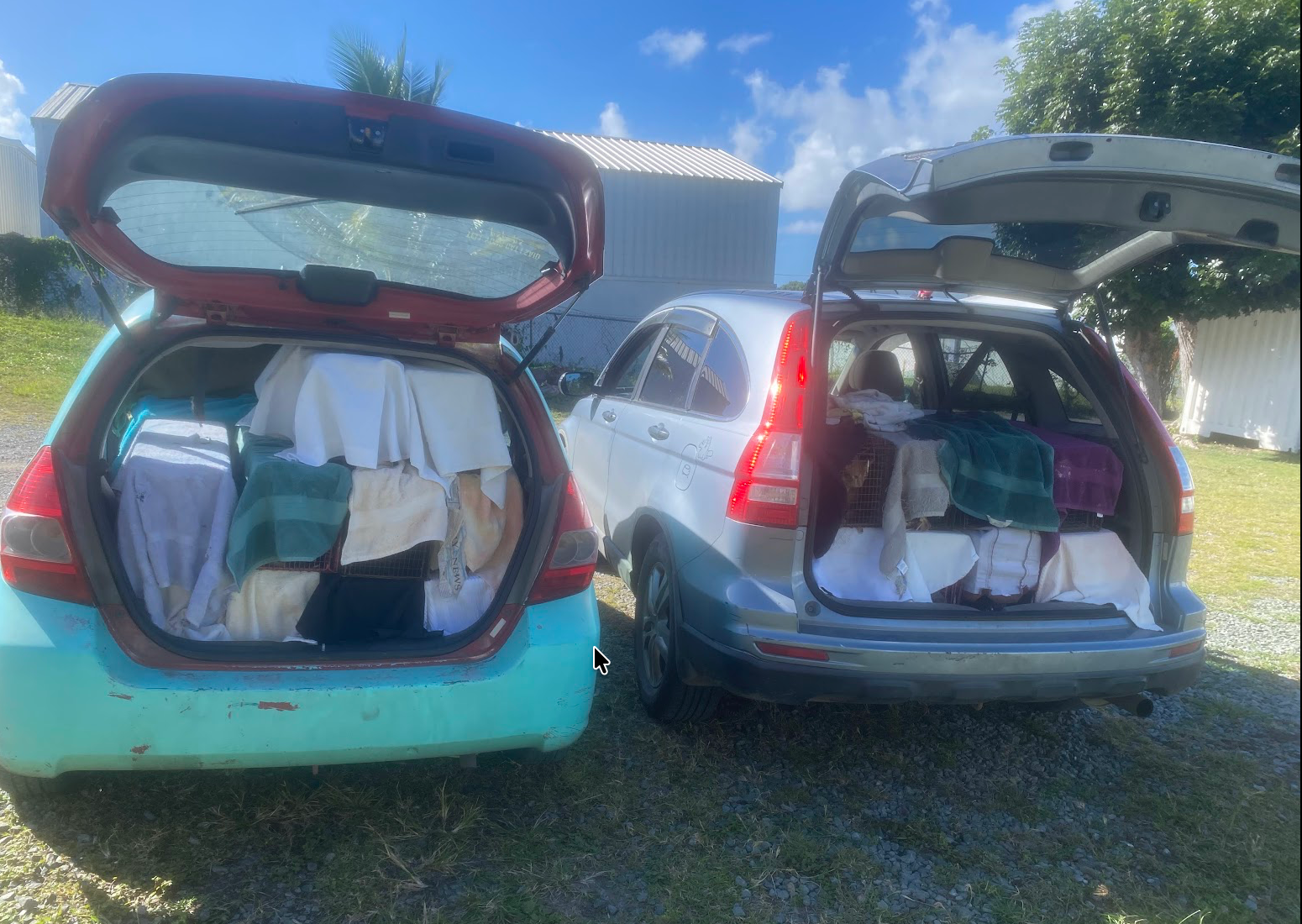
In September, RCC has already sterilized 84 cats in three pop-up clinic days. We are now planning two clinic days each week through the end of October, with a goal of 45 cats per clinic day.
Each high-volume clinic day costs RCC approximately $2,500. That covers the concentrated veterinary and program capacity that lets us move through colonies at a scale that can meaningfully reduce future litters.
WE KNOW HIGH-VOLUME TNVR CAN WORK. NOW WE'RE READY TO SCALE UP.
Help us sterilize more cats, stabilize more colonies and build a healthier future for St. Croix.