
OUR IMPACT
TEN YEARS IN.
WE'RE THINKING BIGGER.
RCC began by rescuing individual cats and kittens. Today, we're building an island-wide approach: high-volume TNVR, managed colonies, food assistance, Distributed Sanctuary, and rescue when it's truly needed.
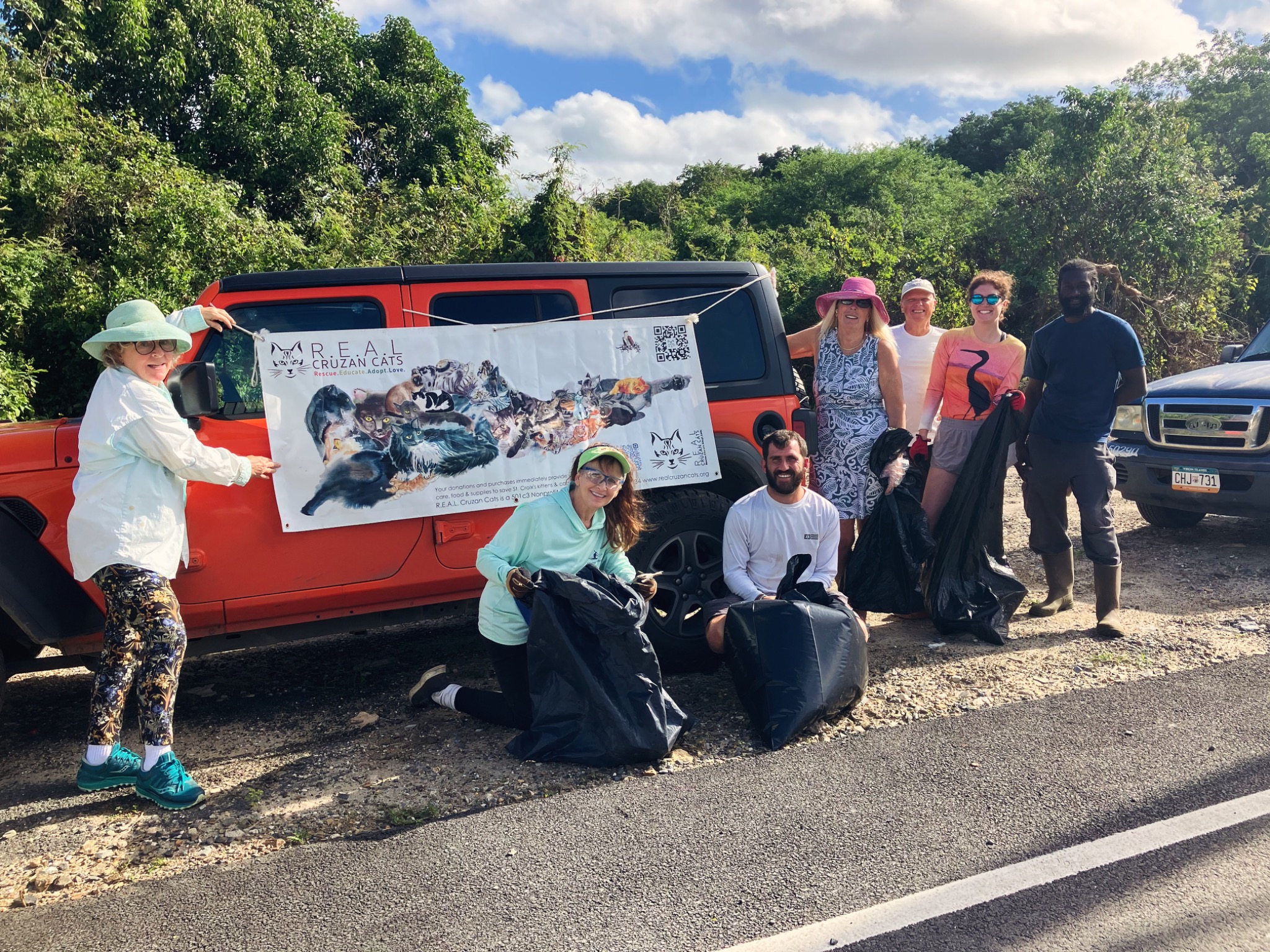
Supported by additional foster caregivers and volunteers on St. Croix and on the mainland.
MEASURING PROGRESS
2,312 TNVRs SINCE 2022.
The need has remained enormous. What has changed from year to year is access to veterinary surgical capacity. Our records show both what is possible when high-volume surgery is available—and how quickly progress slows when it isn't.
High-volume clinics held just 2–3 days per month.
Reduced surgical capacity limited the number of cats we could sterilize.
RCC continued TNVR wherever veterinary capacity was available.
Cats sterilized in the first three days of the new pop-up clinic schedule.
NOW THROUGH OCTOBER →
TWO CLINIC DAYS EACH WEEK.
RCC is aiming for 45 cats per clinic day. Each high-volume clinic day costs approximately $2,500.
84
THREE CLINIC DAYS.
HIGH-VOLUME TNVR IS HAPPENING NOW.
RCC has sterilized 84 cats in the first three days of the new September pop-up clinic schedule. We are planning two clinic days each week through the end of October, with a goal of 45 cats per clinic day.
Each clinic day costs approximately $2,500. Reliable high-volume surgery lets us work through colonies fast enough to prevent future litters and make meaningful population-level progress.
HELP FUND A CLINIC DAYTNVR IN ACTION
PROGRESS TAKES TEAMWORK.
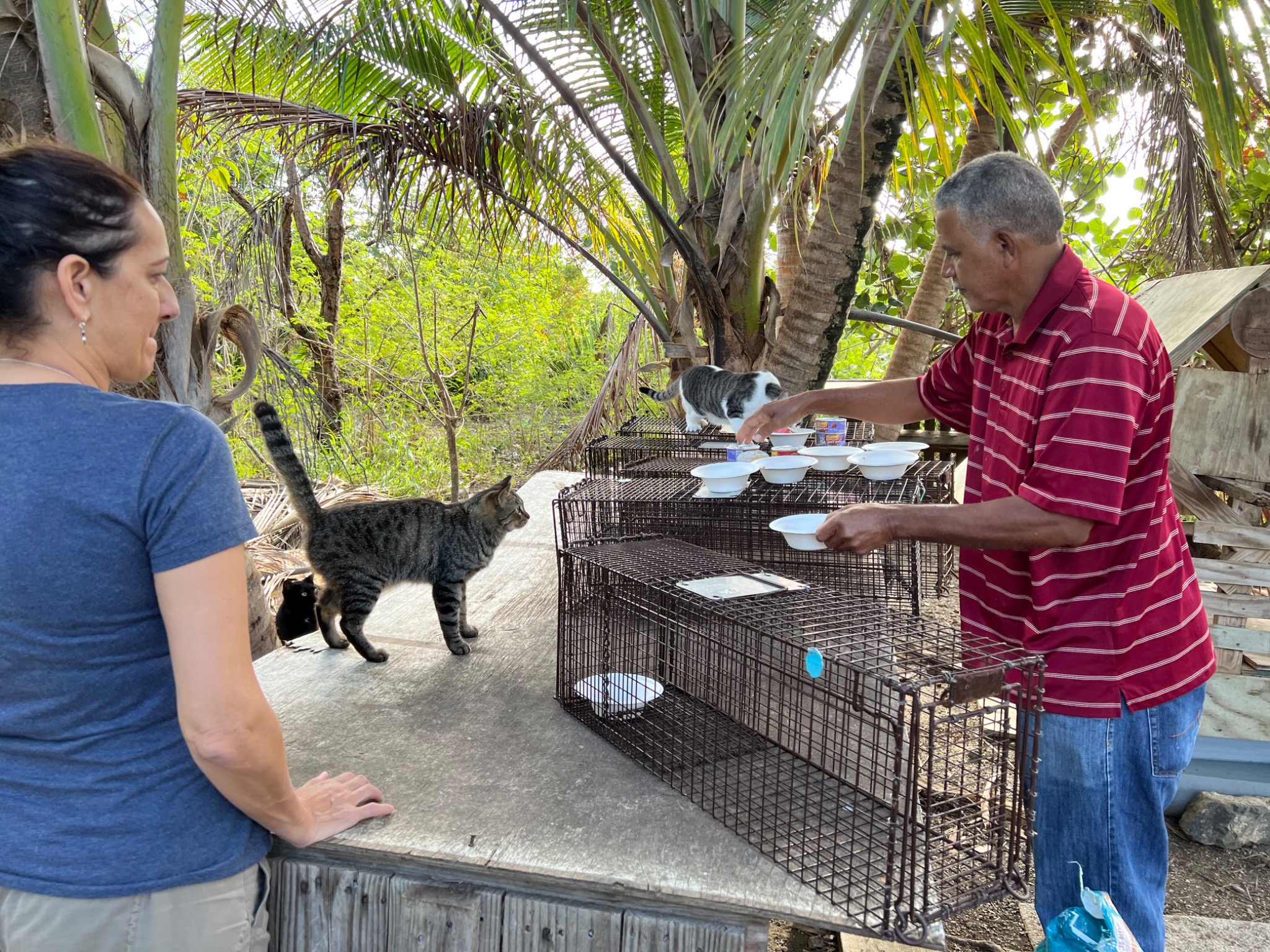
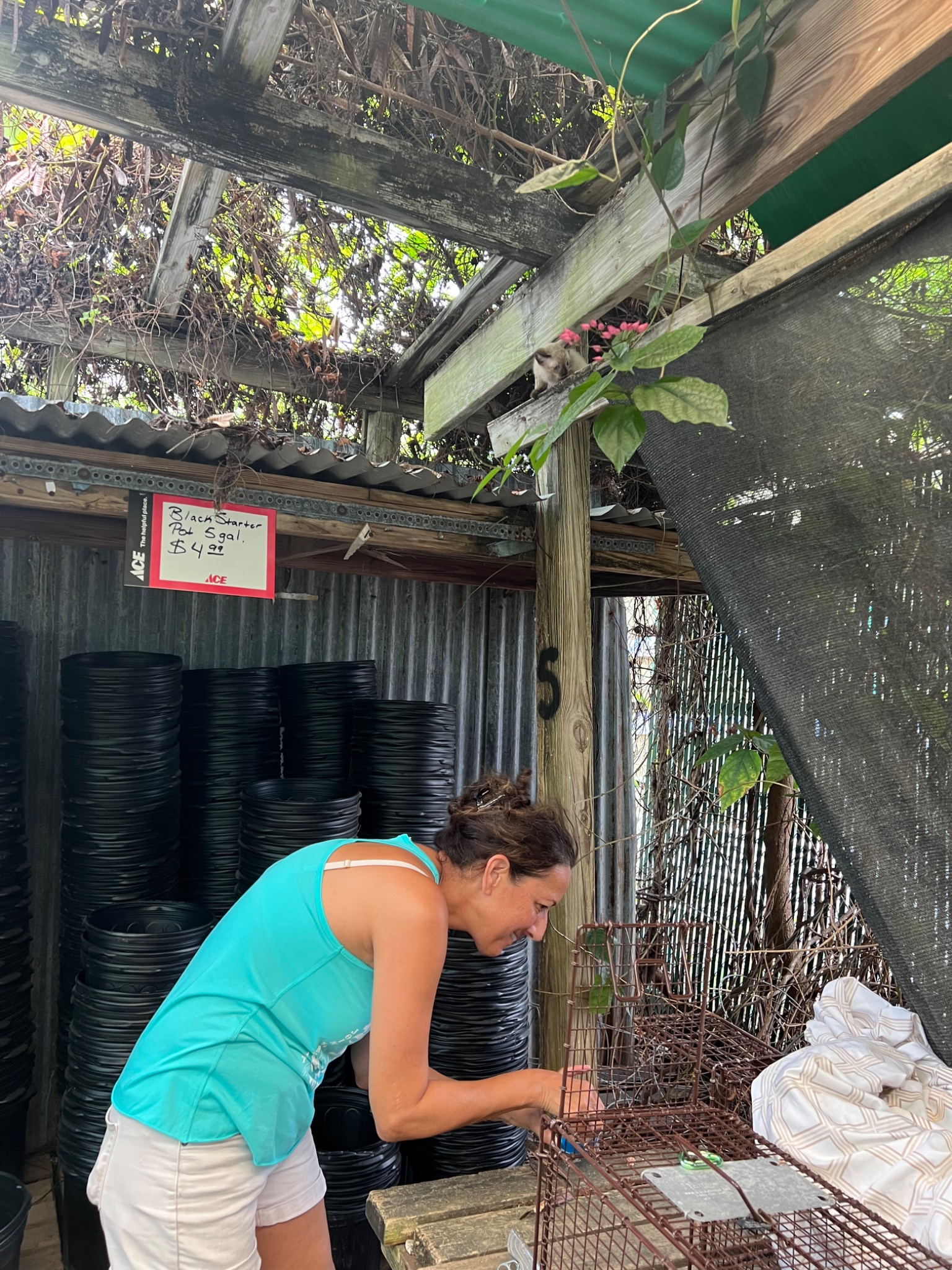
Some of St. Croix's largest community-cat populations have developed over many years in areas where cats are frequently abandoned. At Altona Lagoon and nearby Gallows Bay, RCC has worked alongside the St. Croix Animal Welfare Center and local caregivers to trap, spay or neuter, vaccinate and return community cats.
COMMUNITY CARE DOESN'T END WITH TNVR
HEALTHY, STABLE COLONIES REQUIRE ONGOING CARE.
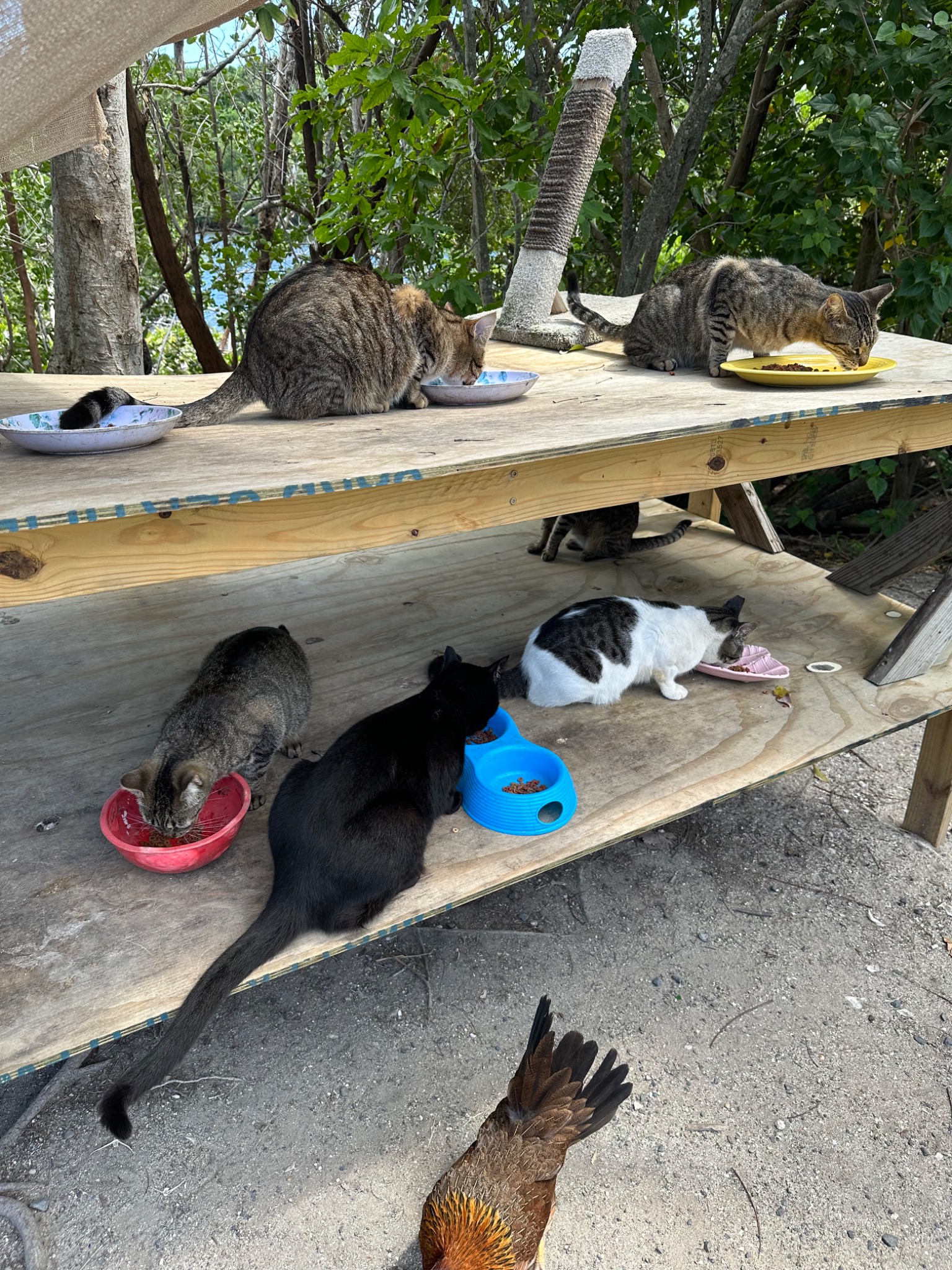
Altona Lagoon has been a longstanding dumping area for cats. RCC works with local caregivers who feed and watch over the cats living there. We provide cat food through Food for Ferals, TNVR newcomers, and help sick or injured cats receive veterinary care.
This is management, not the solution. The real goal is to stop abandonment, prevent new litters through TNVR, and give the cats already living there the best chance to remain healthy and stable.
Dumping a cat at a managed colony is still abandonment.
ISLAND-WIDE
FROM FREDERIKSTED TO THE EAST END.
RCC has trapped, sterilized, fed, rescued, fostered, transported and supported cats and caregivers throughout St. Croix. The long-term solution can't exist in one neighborhood—or one sanctuary. It has to reach the whole island.
FREDERIKSTEDMID-ISLANDCHRISTIANSTEDEAST END
FOOD FOR FERALS
~300 CATS. 700+ POUNDS. EVERY MONTH.
Food assistance helps caregivers maintain healthier, more stable colonies while RCC connects feeding with TNVR and responsible colony management.
FOOD FOR FERALS2
CURRENT DISTRIBUTION LOCATIONS
We need more accessible food-pantry partners across St. Croix so donated cat food can reach more caregivers and colonies.
FROM ST. CROIX TO HOME
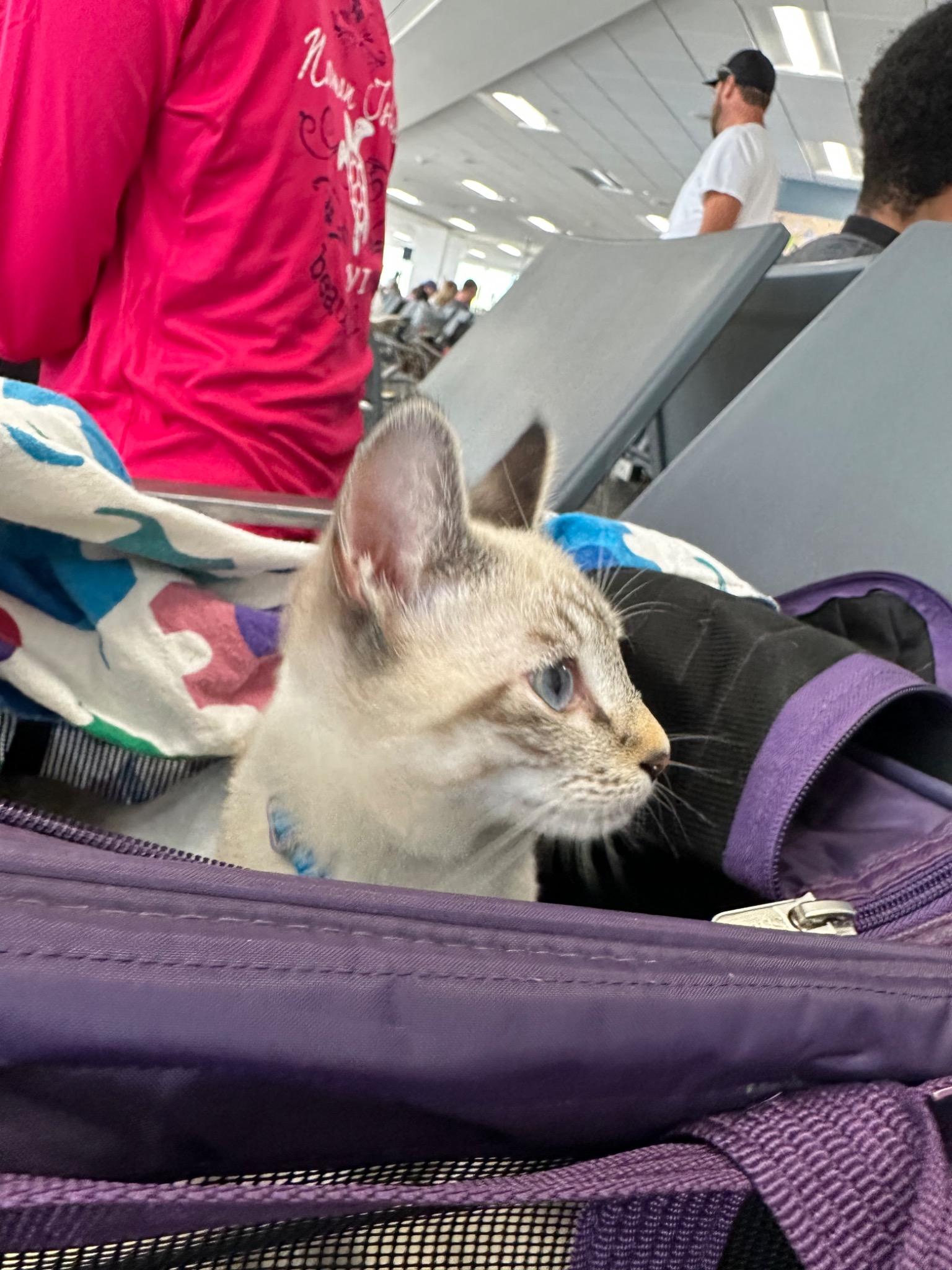
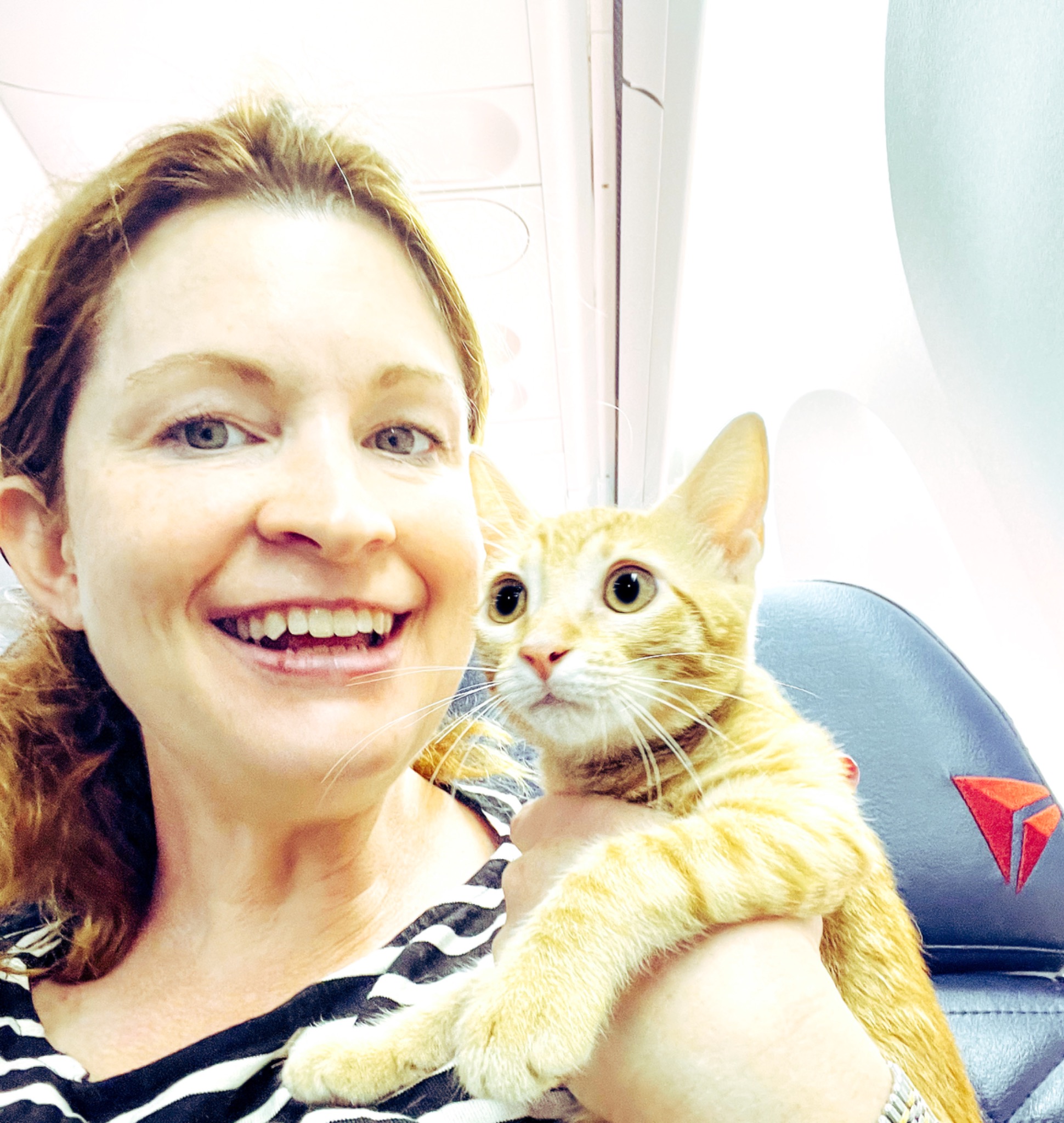
SOMETIMES RESCUE COMES WITH A BOARDING PASS.
For many rescued kittens and cats, finding the right home means taking a flight. RCC coordinates direct adoptions to families across most mainland U.S. states. Cats travel safely in the airplane cabin, under the seat with a traveler—never as cargo.
Our volunteers coordinate veterinary care, health certificates, flights, carriers, travelers and adopters to get each cat safely from foster care on St. Croix to a new family.
BEHIND THE NUMBERS
EVERY NUMBER IS AN INDIVIDUAL.
Behind thousands of TNVRs and adoptions are individual cats whose lives took a different path because someone noticed them, trapped them, fostered them, transported them, fed them or paid for their care.
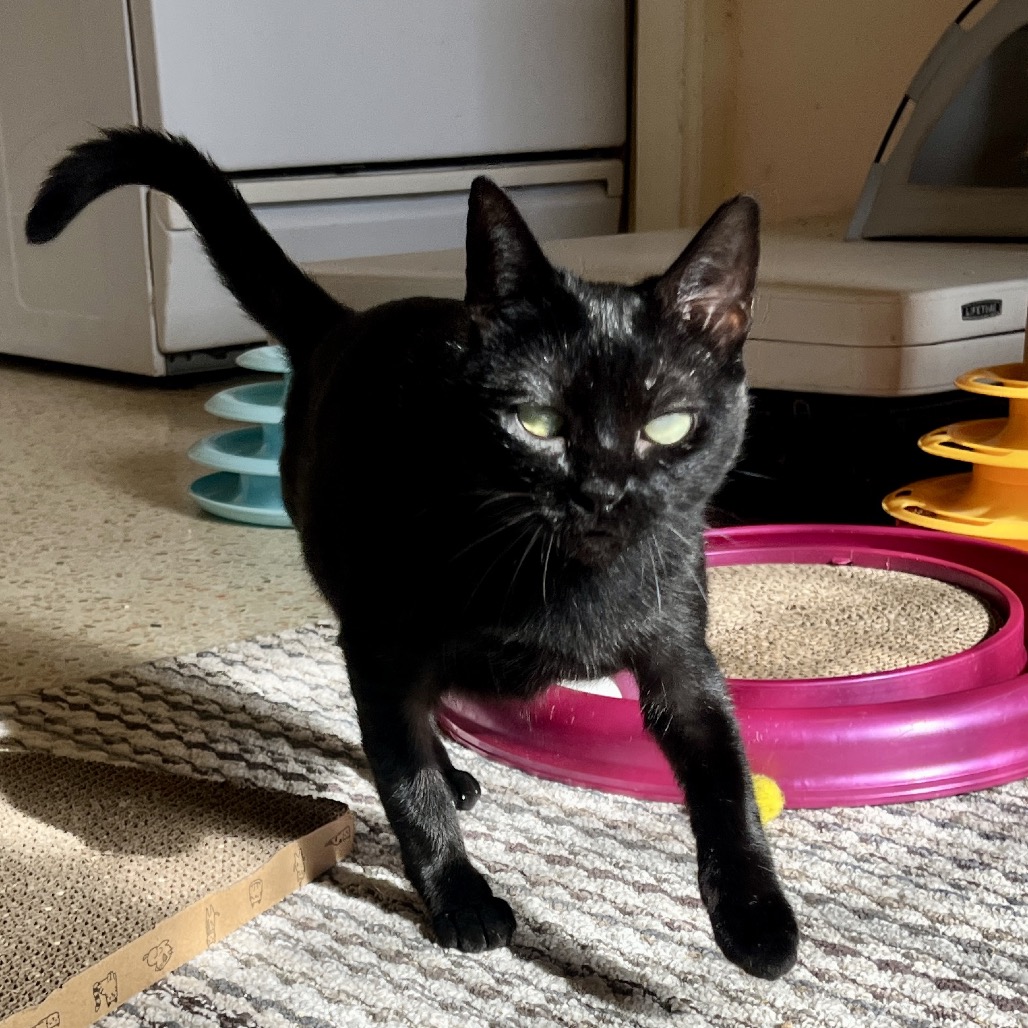
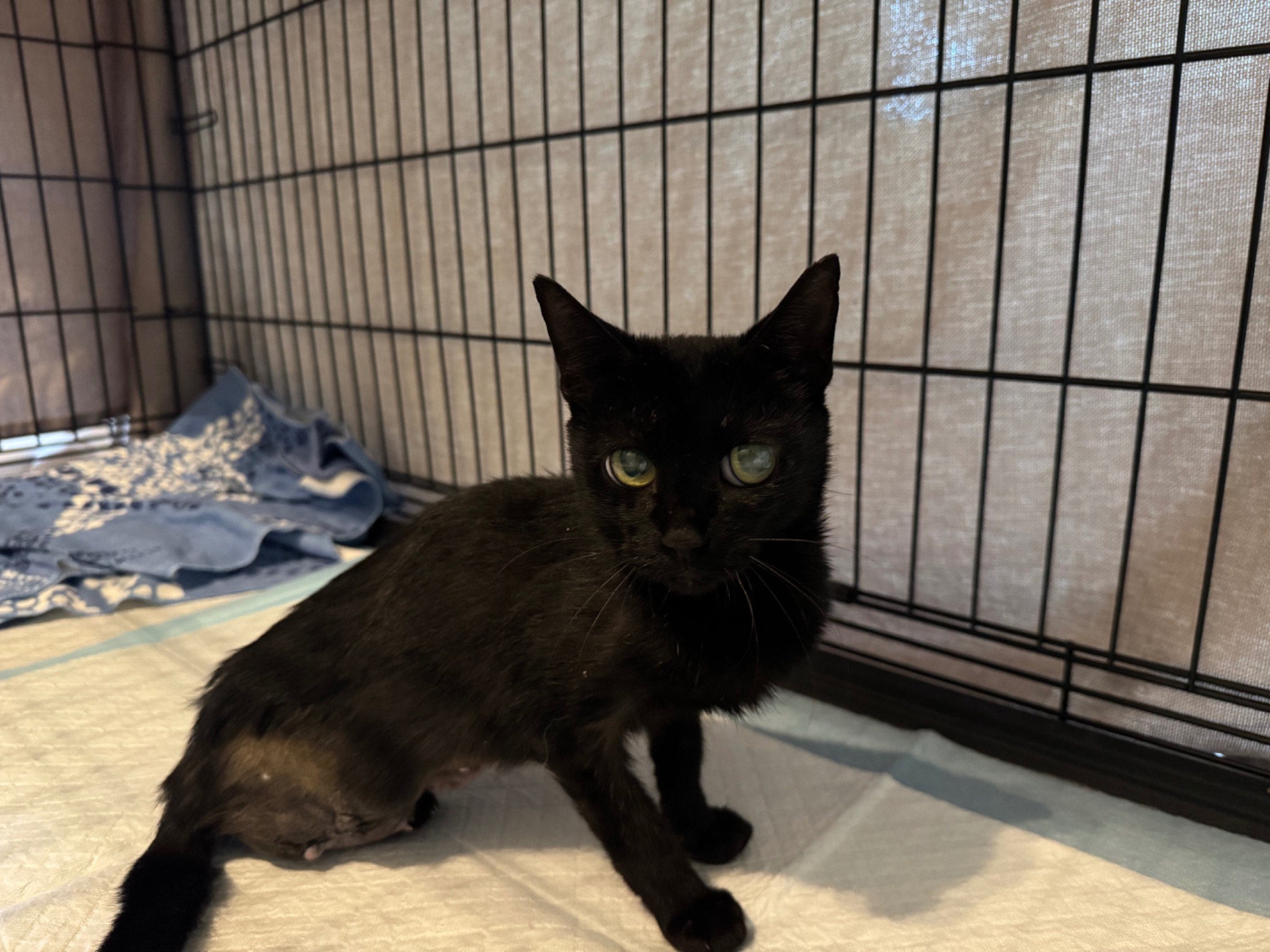
JUNIPER
Juniper was found with a catastrophic hind-leg injury and exposed bone. Emergency surgery and foster care gave her a second chance; today she is healed, safe, and thriving.
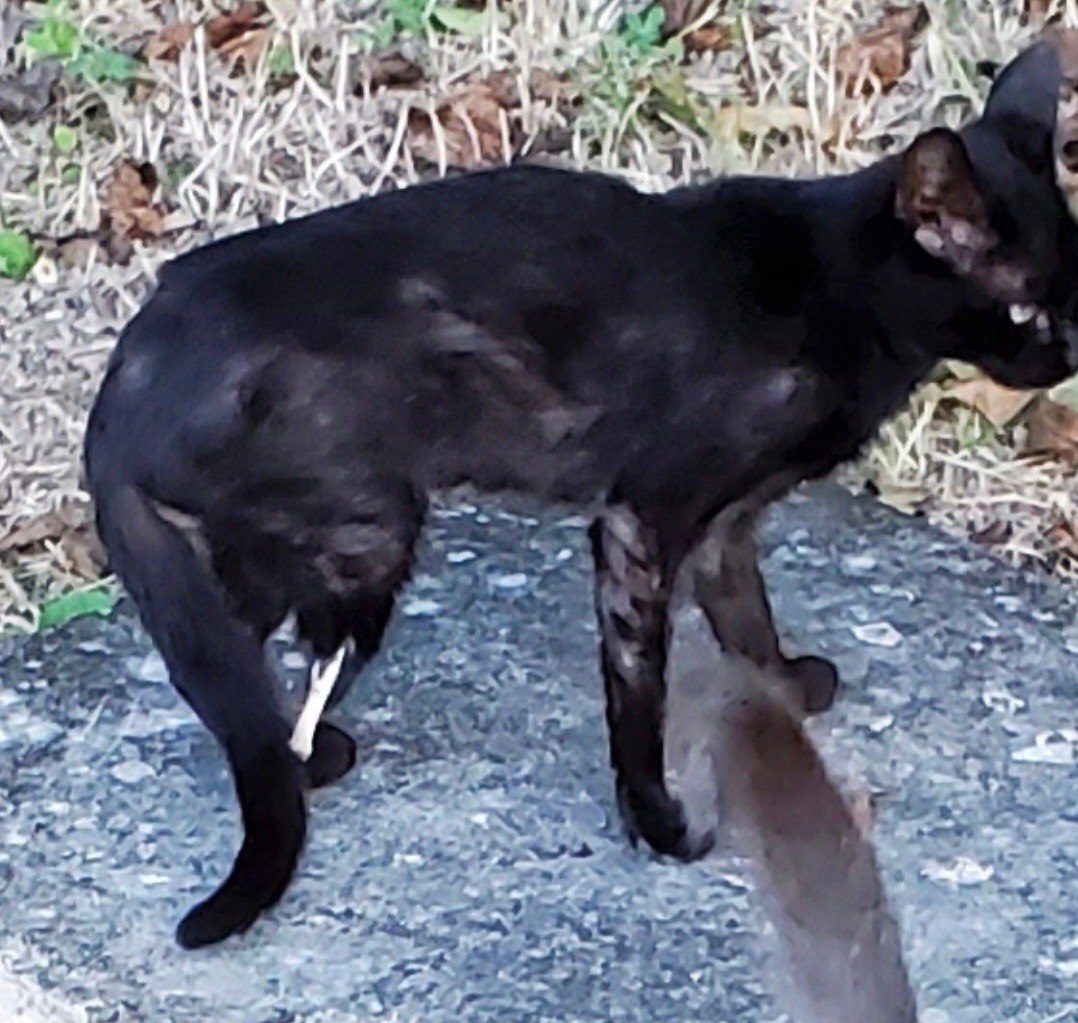
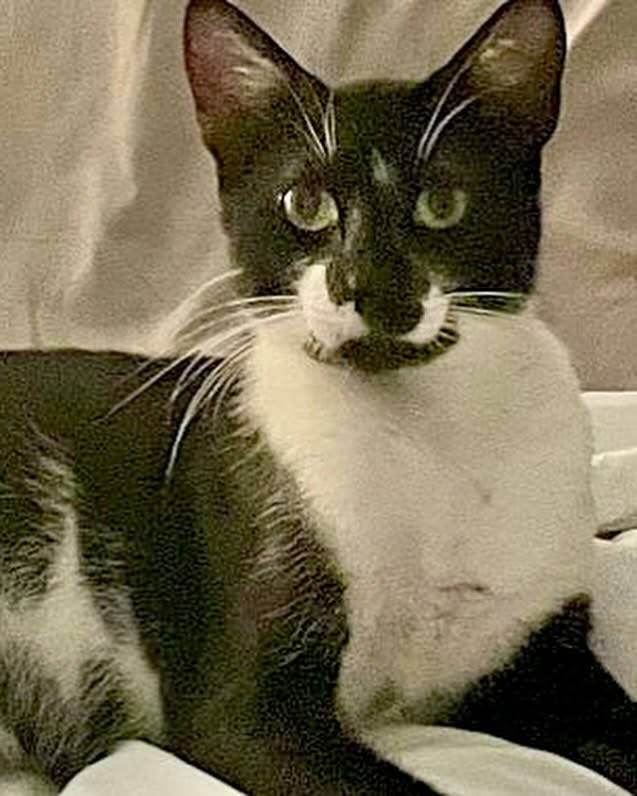
JEFFREY
Timely intervention, veterinary care, and foster support gave Jeffrey the chance to heal. Special-needs cases can require more time and resources, but the right care can change everything.
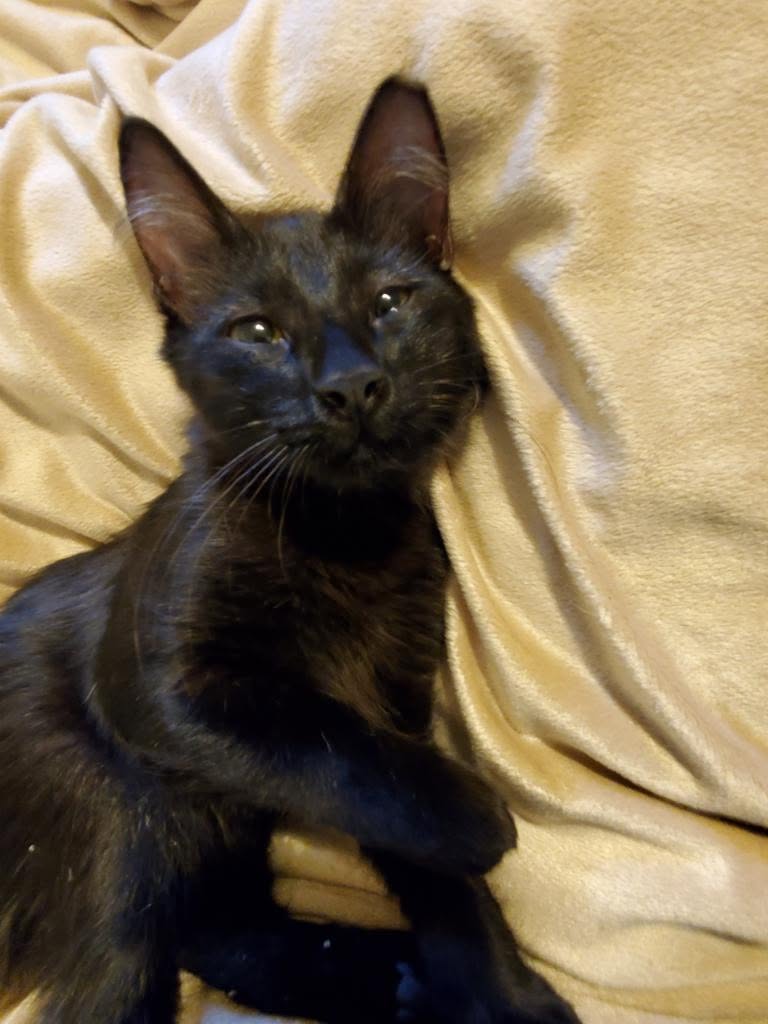
HOPE
Hope was rescued as a kitten after an injury left her paralyzed from the waist down. She was fostered, adopted, and continues to do well — a reminder that disability does not make a life less valuable.
We don't measure success by how many cats we can collect. We measure it by whether each cat gets the kind of help that cat actually needs.
2016–2026
A DECADE OF RCC.
Ten years of adoption, rescue, TNVR, foster care, veterinary intervention, food assistance and community support have changed how we think about the problem—and the solution.
10YEARS
THE NEXT TEN YEARS
THE GOAL ISN'T TO RESCUE MORE CATS.
THE GOAL IS FOR FEWER CATS TO NEED RESCUING.
High-volume TNVR. Managed colonies. Food assistance. Distributed Sanctuary. Rescue when it's truly needed. Together, these programs can change the trajectory of St. Croix's community-cat population.